

The Hidden Costs of Blue State Policies
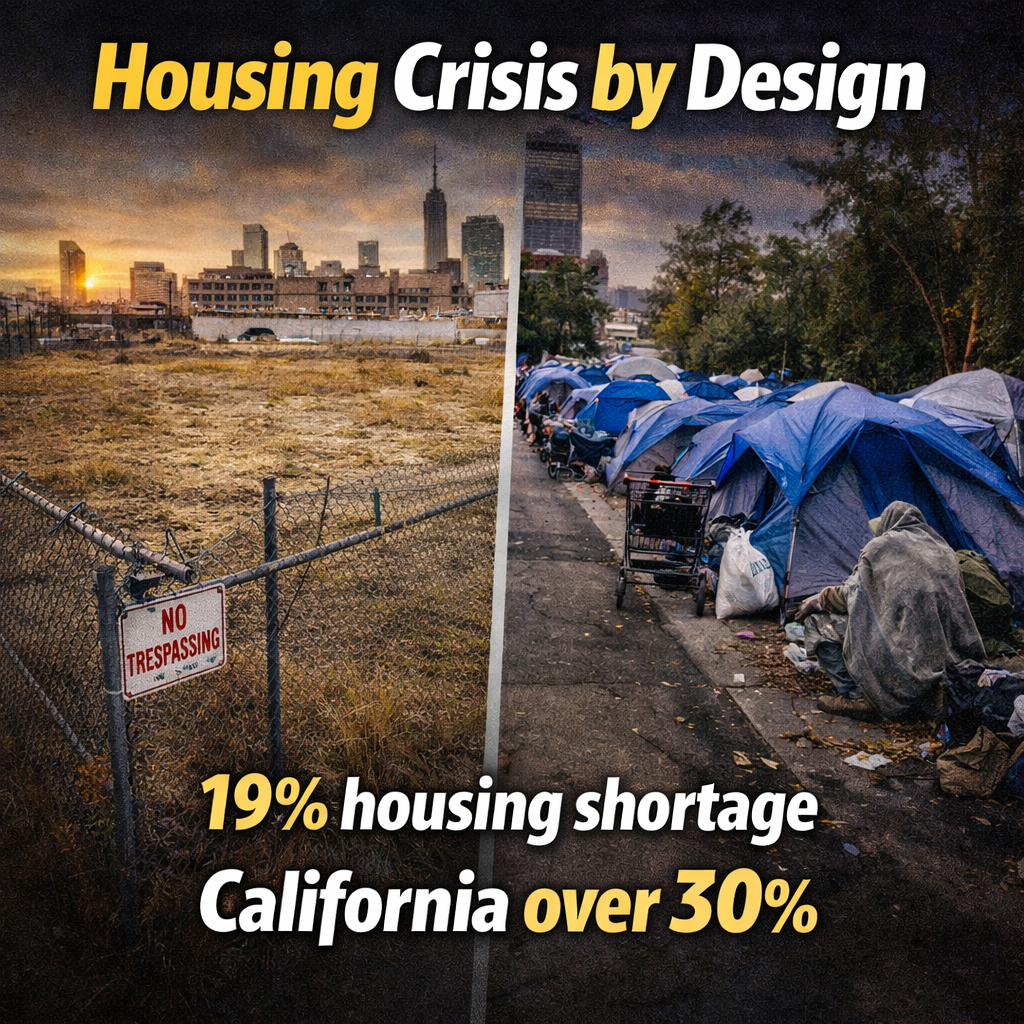
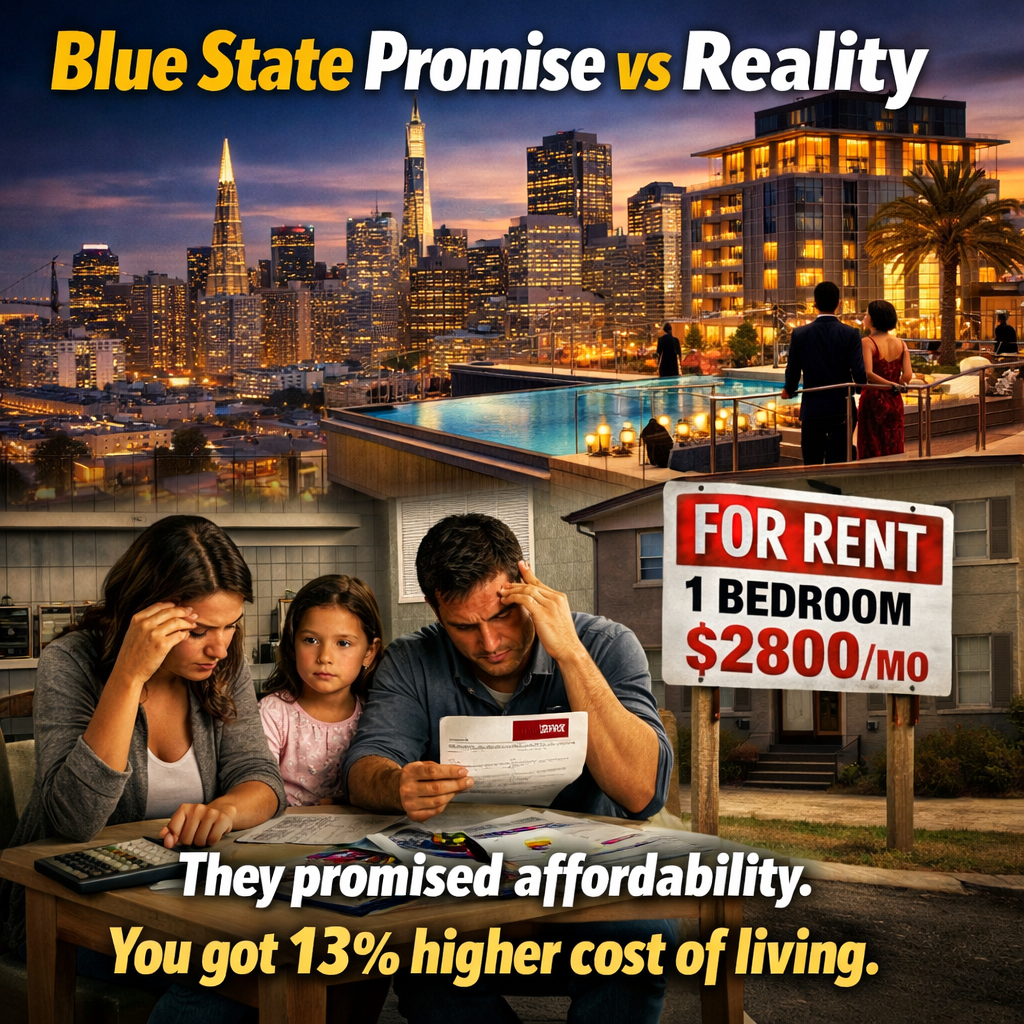
Housing Costs
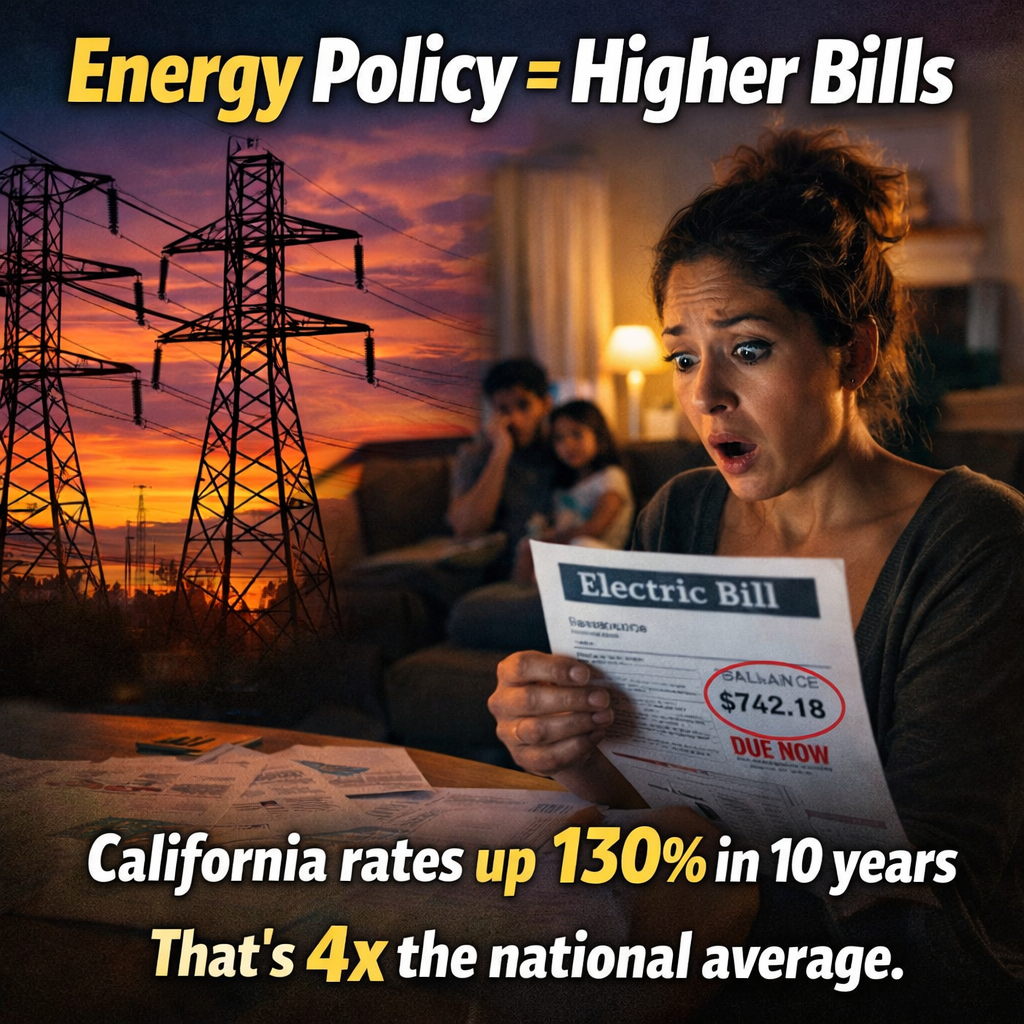
Energy Costs
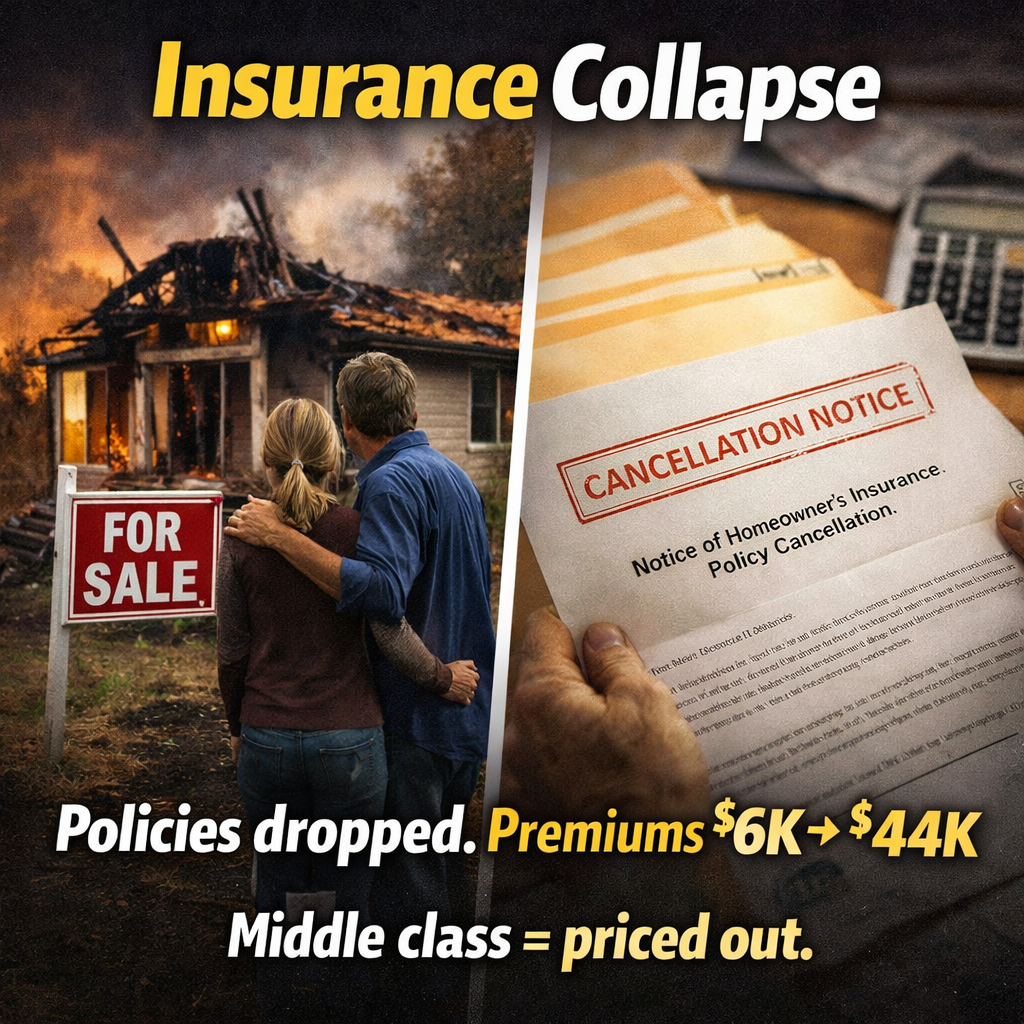
Insurance Costs
Why This Matters
Democratic Policies and Their Unintended Consequences
TL;DR: What's Going On?
Democratic-led policies in blue states are contributing to rising costs in housing, energy, and insurance. Residents face higher living expenses driven by the regulatory environments, energy mandates, and insurance limitations.
Fast Facts
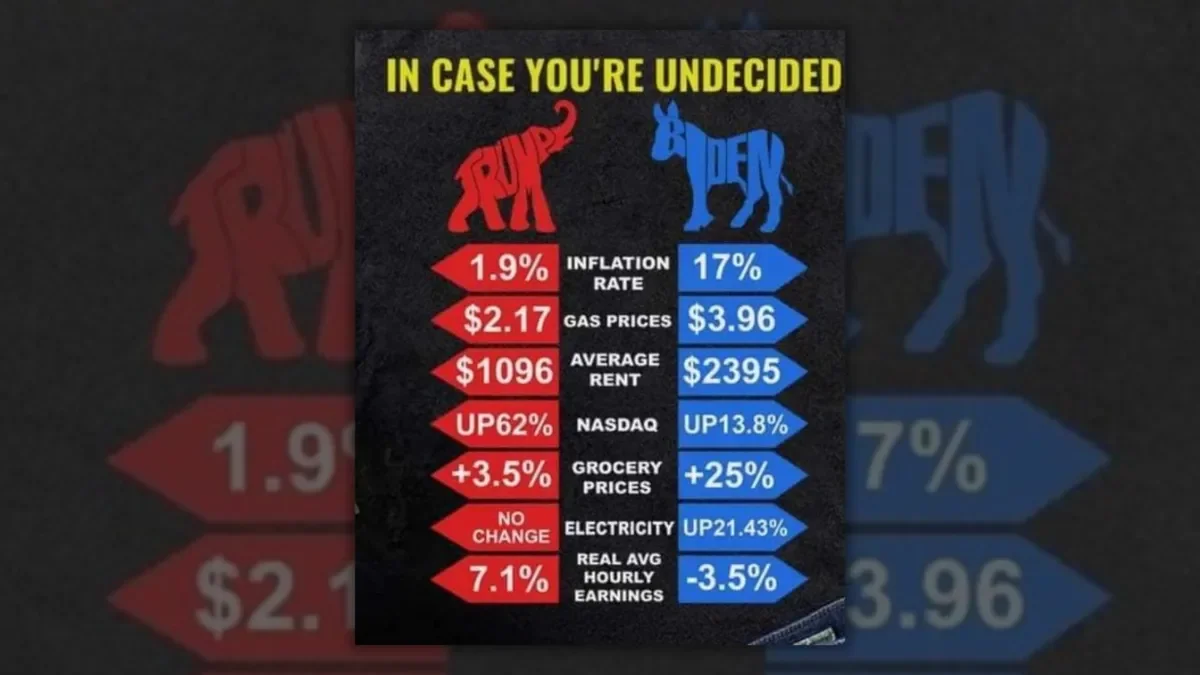
Blue states rank among the most expensive in the U.S.
Cost of living is about 13% higher in blue states
Clean energy mandate states saw 32% higher rate increases
Electricity prices are rising nearly 2x faster in mandate states.
Four Tweets for High Engagement
Blue states are seeing higher costs of living driven by policy decisions.
Energy mandates are pushing electricity prices higher across multiple states.
Housing shortages continue to grow due to regulatory barriers.
Insurance providers are pulling back coverage in high-risk regions.
The Hook